Buy infis.eu ?
We are moving the project
infis.eu .
Are you interested in purchasing the domain
infis.eu ?
domain@kv-gmbh.de · 0541-91531010
Buy infis.eu ?
What is the diopter value?
The diopter value is a unit of measurement that indicates the refractive power of a lens. It is used to describe the strength of a lens in correcting vision problems such as nearsightedness, farsightedness, or astigmatism. A positive diopter value indicates that the lens is converging light, while a negative diopter value indicates that the lens is diverging light. The higher the diopter value, the stronger the lens power. **
Is one diopter a lot?
One diopter is not considered a large amount when it comes to vision correction. It is a relatively small unit of measurement used to describe the refractive power of a lens or the degree of nearsightedness or farsightedness in an individual's eyes. In the context of eyeglass prescriptions, one diopter is a common increment used to adjust vision and is often a minor change in prescription strength. **

Similar search terms for Diopter
Top-Angebote
Products related to Diopter:
-
United Charger & Smartwatch Data Cable Replacement Charger & Smartwatch Data Cable ReplacementKeep your Garmin 920XT charger ready whenever adventure calls. Designed for athletes, runners, and fitness enthusiasts, this replacement charger ensures your Forerunner 920XT stays powered and connected. Its durable smartwatch charging cable offers...39,97 $*Shipping: 0,00 $Secure redirect to the provider
-
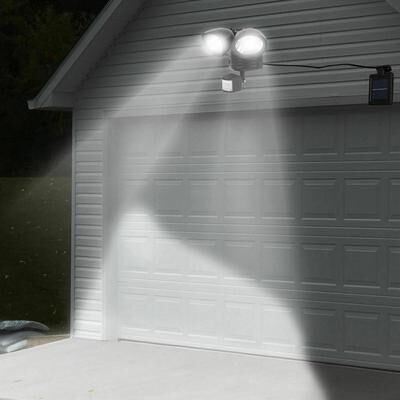
All Categories Goods LED Solar Security Light Dual Motion Sensor Outdoor Floodlight With LED Technology For Energy Efficient Illumination LED Solar Security Light Dual Motion Sensor Outdoor Floodlight With LED Technology For Energy Efficient IlluminationBrighten your outdoor space with the 1 pcs of 22 LED Solar Security Light, designed for maximum visibility and security. Powered by ecofriendly solar energy, this motion sensor floodlight activates when movement is detected, offering both...63,97 $*Shipping: 0,00 $Secure redirect to the provider



-
Do diopter values not make sense?
Diopter values are a measure of the optical power of a lens, typically used in the context of eyeglasses or contact lenses. They represent the strength of the lens needed to correct a person's vision. While diopter values may seem confusing at first, they are a standardized unit of measurement that eye care professionals use to prescribe the appropriate corrective lenses for individuals with refractive errors such as nearsightedness, farsightedness, or astigmatism. By understanding how diopter values correspond to specific vision needs, individuals can better comprehend their prescription and the type of lenses that will help improve their vision. **
-
Can I use contact lenses with the same diopter number for eyes with different diopter values?
No, it is not recommended to use contact lenses with the same diopter number for eyes with different diopter values. Each eye requires a specific diopter value to correct its individual refractive error. Using the same diopter number for both eyes can lead to discomfort, blurred vision, and potential damage to the eyes. It is important to consult with an eye care professional to ensure that the correct contact lenses are prescribed for each eye. **
-
At what diopter number does one see well and at what diopter number does one see poorly?
One sees well at a diopter number of 0, which indicates normal vision. As the diopter number increases, one's vision becomes poorer. For example, a diopter number of +3 indicates farsightedness, while a diopter number of -3 indicates nearsightedness. These numbers represent the strength of the corrective lenses needed to achieve clear vision. **
-
How can one determine the diopter number?
To determine the diopter number, one would need to undergo an eye examination by an optometrist or ophthalmologist. During the examination, the eye care professional will perform various tests to measure the refractive error of the eye, which is then used to determine the appropriate diopter number for corrective lenses. The diopter number is a unit of measurement that indicates the focusing power of the lens needed to correct vision problems such as nearsightedness, farsightedness, or astigmatism. It is important to have regular eye exams to ensure that the correct diopter number is prescribed for optimal vision correction. **


What is a diopter control in optics?
A diopter control in optics is a feature on optical devices such as cameras, binoculars, and microscopes that allows the user to adjust the focus to compensate for differences in vision. It is typically used to correct for nearsightedness, farsightedness, or astigmatism. By adjusting the diopter control, the user can bring the image into sharp focus, making it clearer and easier to see. **
Is a diopter number of 2.75 high?
A diopter number of 2.75 is considered to be moderately high. Diopter numbers typically range from 0 to 6, with higher numbers indicating stronger prescription lenses. A diopter number of 2.75 would suggest that the individual has a moderate level of nearsightedness or farsightedness, and would likely require corrective lenses to improve their vision. It is important for individuals with this level of prescription to regularly visit an eye care professional to monitor their vision and ensure their prescription is up to date. **
Top-Angebote
Products related to Diopter:
-
Drop Dash Deals Diopter LED Floor Stand Rolling Magnifying Lamp For Facial Skin Care Diopter LED Floor Stand Rolling Magnifying Lamp For Facial Skin CarePrecision and clarity come together with a powerful 1 pc of 16X magnifying lamp designed for detailed closeup work that demands accuracy.This professional LED magnifying lamp delivers bright, even lighting paired with highdefinition magnification...159,97 $*Shipping: 0,00 $Secure redirect to the provider
-
Nonin Medical nVision Data Management Software for Oximetry Screening""" nVision SpO2 Data Management Software Nonin's innovation in pulse oximetry has led to the development of an easy oximetry reporting solution nVISION. Designed to provide effortless viewing, professional analysis, report generation and reliable..."441,00 $*Shipping: 0,00 $Secure redirect to the provider
-
United Charger & Smartwatch Data Cable Replacement Charger & Smartwatch Data Cable ReplacementKeep your Garmin 920XT charger ready whenever adventure calls. Designed for athletes, runners, and fitness enthusiasts, this replacement charger ensures your Forerunner 920XT stays powered and connected. Its durable smartwatch charging cable offers...39,97 $*Shipping: 0,00 $Secure redirect to the provider
-
What is the diopter value?
The diopter value is a unit of measurement that indicates the refractive power of a lens. It is used to describe the strength of a lens in correcting vision problems such as nearsightedness, farsightedness, or astigmatism. A positive diopter value indicates that the lens is converging light, while a negative diopter value indicates that the lens is diverging light. The higher the diopter value, the stronger the lens power. **
-
Is one diopter a lot?
One diopter is not considered a large amount when it comes to vision correction. It is a relatively small unit of measurement used to describe the refractive power of a lens or the degree of nearsightedness or farsightedness in an individual's eyes. In the context of eyeglass prescriptions, one diopter is a common increment used to adjust vision and is often a minor change in prescription strength. **
-
Do diopter values not make sense?
Diopter values are a measure of the optical power of a lens, typically used in the context of eyeglasses or contact lenses. They represent the strength of the lens needed to correct a person's vision. While diopter values may seem confusing at first, they are a standardized unit of measurement that eye care professionals use to prescribe the appropriate corrective lenses for individuals with refractive errors such as nearsightedness, farsightedness, or astigmatism. By understanding how diopter values correspond to specific vision needs, individuals can better comprehend their prescription and the type of lenses that will help improve their vision. **
-
Can I use contact lenses with the same diopter number for eyes with different diopter values?
No, it is not recommended to use contact lenses with the same diopter number for eyes with different diopter values. Each eye requires a specific diopter value to correct its individual refractive error. Using the same diopter number for both eyes can lead to discomfort, blurred vision, and potential damage to the eyes. It is important to consult with an eye care professional to ensure that the correct contact lenses are prescribed for each eye. **
Similar search terms for Diopter
-
All Categories Goods LED Solar Security Light Dual Motion Sensor Outdoor Floodlight With LED Technology For Energy Efficient Illumination LED Solar Security Light Dual Motion Sensor Outdoor Floodlight With LED Technology For Energy Efficient IlluminationBrighten your outdoor space with the 1 pcs of 22 LED Solar Security Light, designed for maximum visibility and security. Powered by ecofriendly solar energy, this motion sensor floodlight activates when movement is detected, offering both...63,97 $*Shipping: 0,00 $Secure redirect to the provider
-
Sesderma Reti Age 5 Liposomal Serum Anti-Aging Innovation 30mLA facial serum for wrinkles and signs of ageing. Reduces wrinkles and fine lines. Hydrates and strengthens barrier. Restores youthful radiance. 5-Retinoid System: smooths wrinkles, accelerates renewal, and boosts collagen. Biomimetic Peptides: fill expression lines by stimulating collagen synthesis.54,51 £*Shipping: 5,34 £Secure redirect to the provider
-
At what diopter number does one see well and at what diopter number does one see poorly?
One sees well at a diopter number of 0, which indicates normal vision. As the diopter number increases, one's vision becomes poorer. For example, a diopter number of +3 indicates farsightedness, while a diopter number of -3 indicates nearsightedness. These numbers represent the strength of the corrective lenses needed to achieve clear vision. **
-
How can one determine the diopter number?
To determine the diopter number, one would need to undergo an eye examination by an optometrist or ophthalmologist. During the examination, the eye care professional will perform various tests to measure the refractive error of the eye, which is then used to determine the appropriate diopter number for corrective lenses. The diopter number is a unit of measurement that indicates the focusing power of the lens needed to correct vision problems such as nearsightedness, farsightedness, or astigmatism. It is important to have regular eye exams to ensure that the correct diopter number is prescribed for optimal vision correction. **
-
What is a diopter control in optics?
A diopter control in optics is a feature on optical devices such as cameras, binoculars, and microscopes that allows the user to adjust the focus to compensate for differences in vision. It is typically used to correct for nearsightedness, farsightedness, or astigmatism. By adjusting the diopter control, the user can bring the image into sharp focus, making it clearer and easier to see. **
-
Is a diopter number of 2.75 high?
A diopter number of 2.75 is considered to be moderately high. Diopter numbers typically range from 0 to 6, with higher numbers indicating stronger prescription lenses. A diopter number of 2.75 would suggest that the individual has a moderate level of nearsightedness or farsightedness, and would likely require corrective lenses to improve their vision. It is important for individuals with this level of prescription to regularly visit an eye care professional to monitor their vision and ensure their prescription is up to date. **
* All prices are inclusive of VAT and, if applicable, plus shipping costs. The offer information is based on the details provided by the respective shop and is updated through automated processes. Real-time updates do not occur, so deviations can occur in individual cases. ** Note: Parts of this content were created by AI.